What’s the difference between a patio and a pergola?
- A patio is a ground-level paved outdoor area used for dining, entertaining and lounging. It’s open to the sky unless paired with a roof or shade structure.
- A pergola is a freestanding or attached overhead structure with posts and open beams. It provides filtered shade, height and visual interest — but not full weather protection.
- Patios give you usable floor space. Pergolas give you an architectural feature overhead.
- In Perth’s climate, most backyards benefit from combining both — a solid surface underfoot with a shade structure on top.
- The right choice depends on how you’ll use the space, how much weather coverage you need and what your block allows.
You’ve been staring at the backyard for weeks now. Maybe months. The grass is doing its thing, the kids’ trampoline has seen better days, and every weekend barbecue ends with someone squinting into the afternoon sun while the sausages burn. You know the space could be better. You just haven’t landed on how.
For most Perth homeowners, the patio vs pergola conversation is where it all starts. They sound similar, and half the people you ask use the terms interchangeably, but they’re actually quite different in what they do, what they cost and how they’ll change the way you live outdoors.
What actually is a patio?
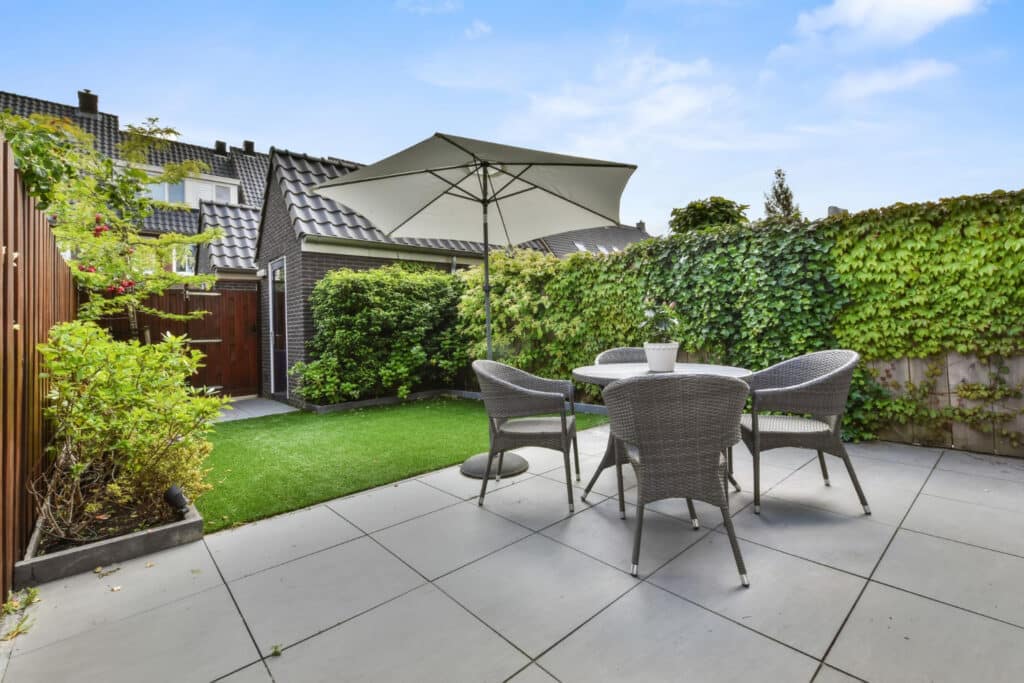
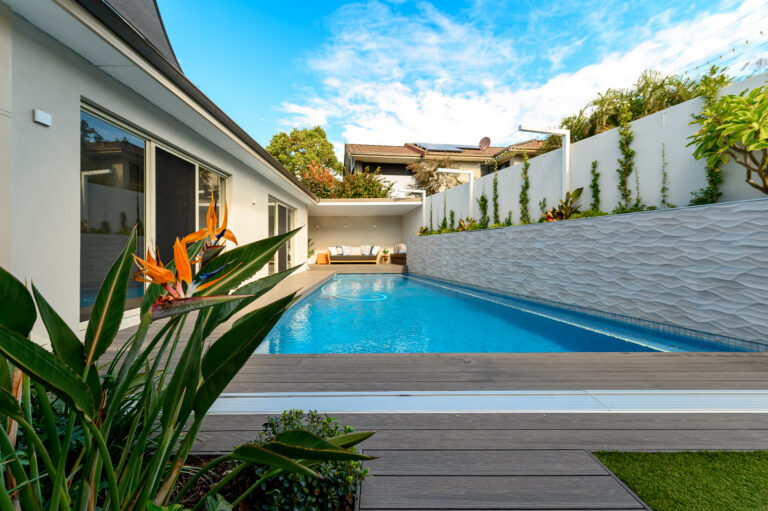
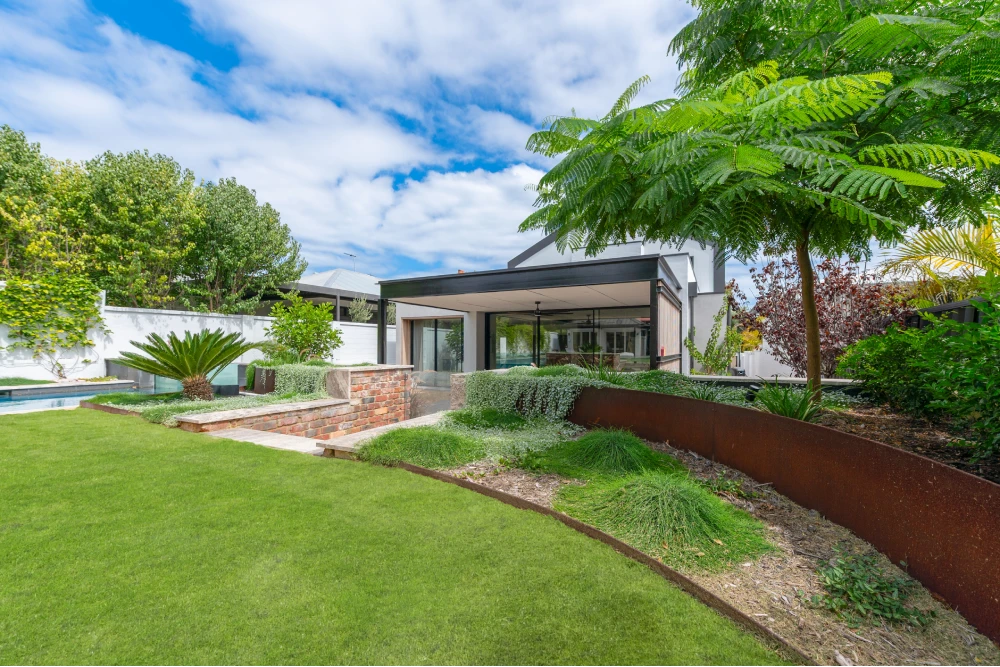
A patio is a ground-level, paved outdoor area, typically built from concrete, natural stone, porcelain pavers or timber decking. It’s the foundation of your outdoor living zone: the flat, stable surface where you put your dining table, lounge setting and barbecue.
On its own, a patio is open to the sky. That’s fine for mild autumn evenings, but in a Perth summer, where the UV index regularly hits 12 and afternoon temperatures push well past 35°C according to Bureau of Meteorology records, an uncovered patio gets limited use during the hottest parts of the day. That matters when two in three Australians will be diagnosed with skin cancer in their lifetime.
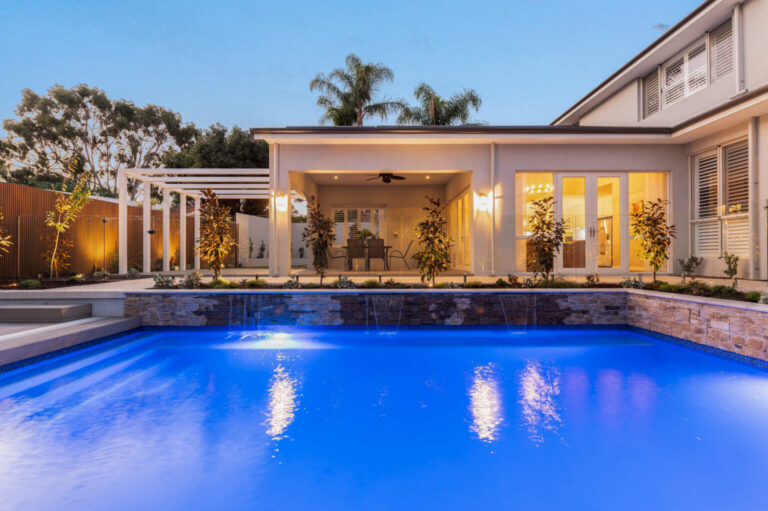
That’s why most homeowners pair their patio with some form of overhead cover. A solid roof turns the space into a proper all-weather zone you can use in rain, hail or 40-degree shine. Insulated roofing panels are increasingly popular because they block radiant heat transfer, keeping the area noticeably cooler than a standard single-skin metal roof, a big deal when you’re hosting a January birthday party, and everyone’s eyeing the air con inside. Ultimately, the patio is where the action happens: it defines the functional living area that everything else builds around.
And what about a pergola?
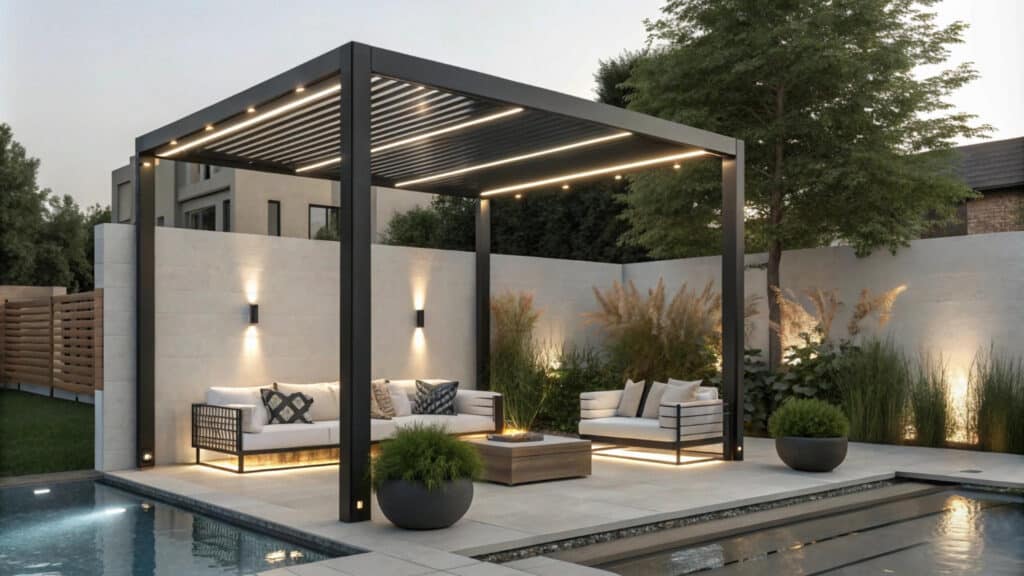
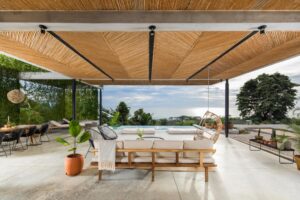
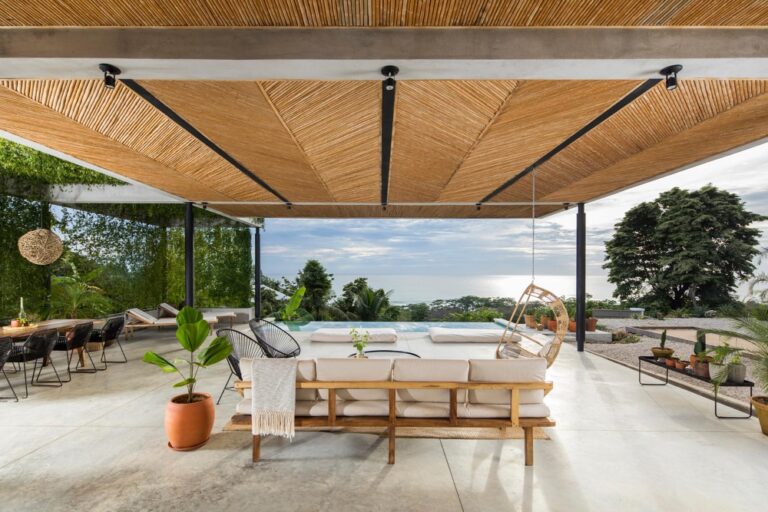
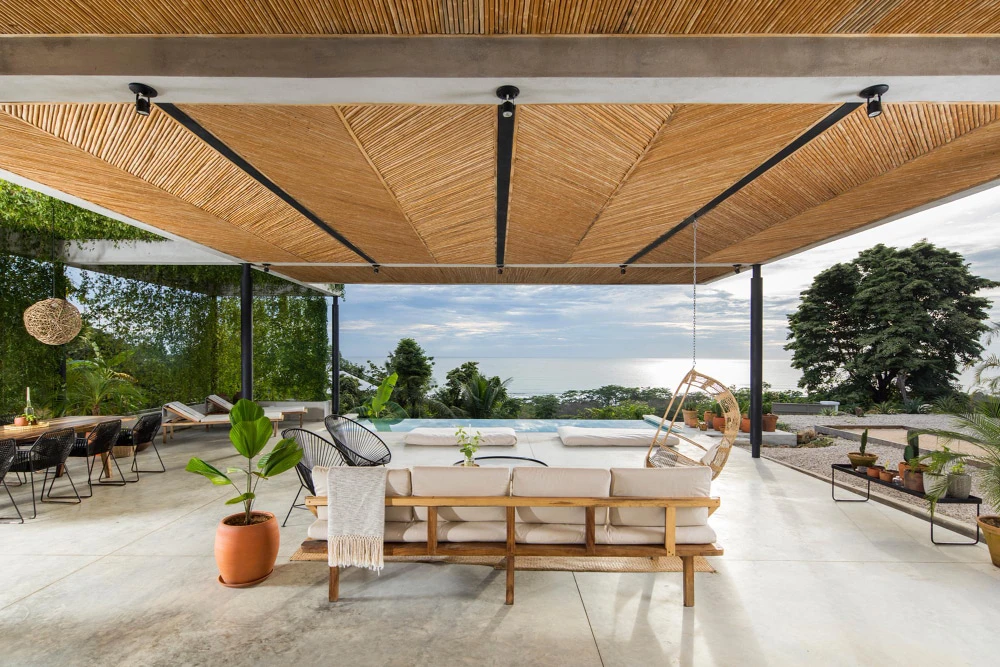
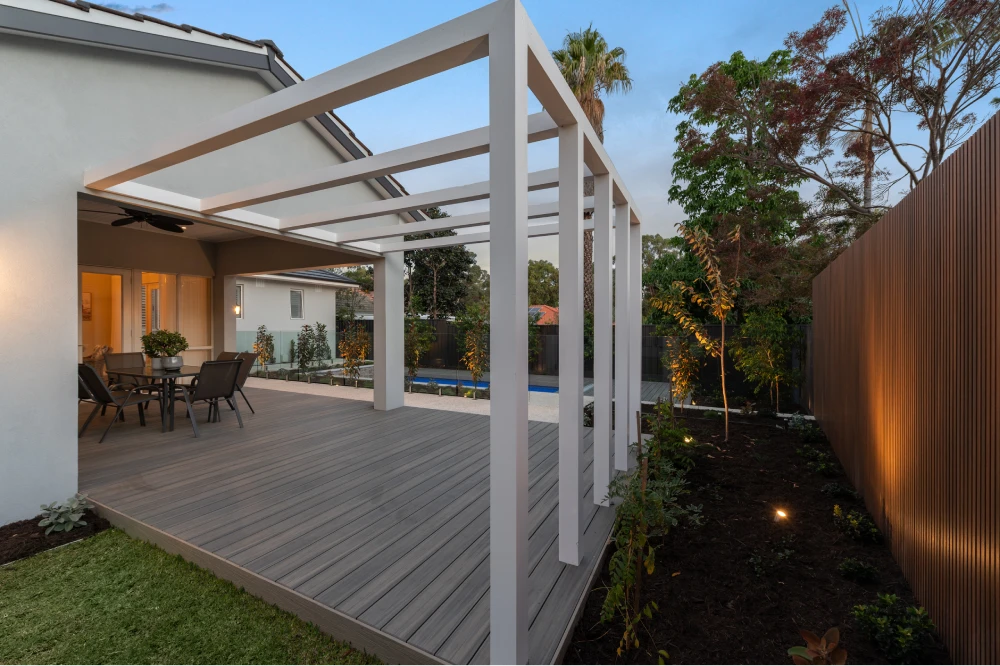
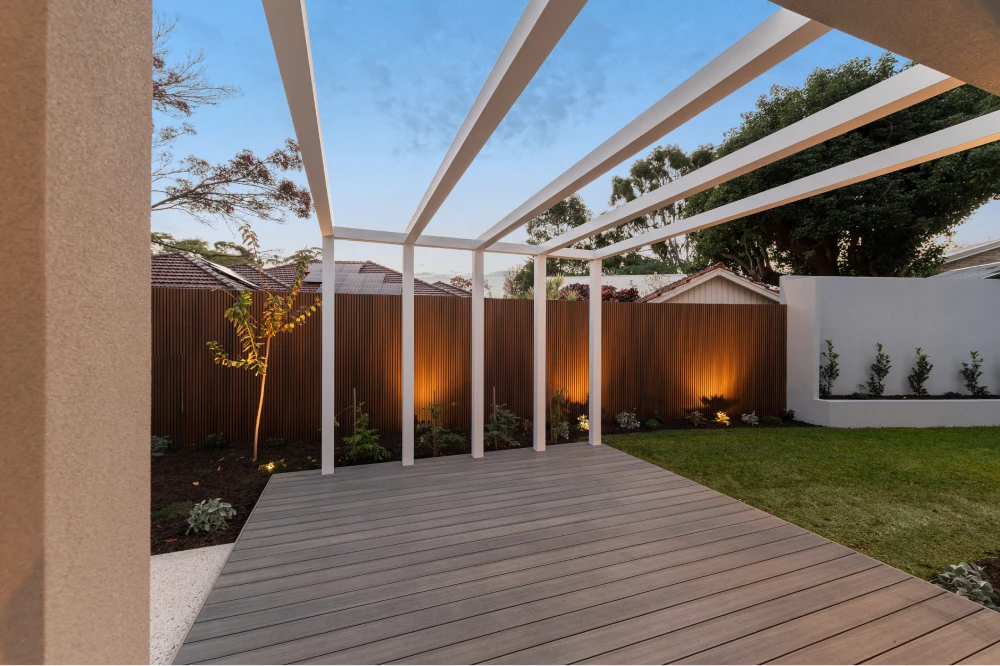
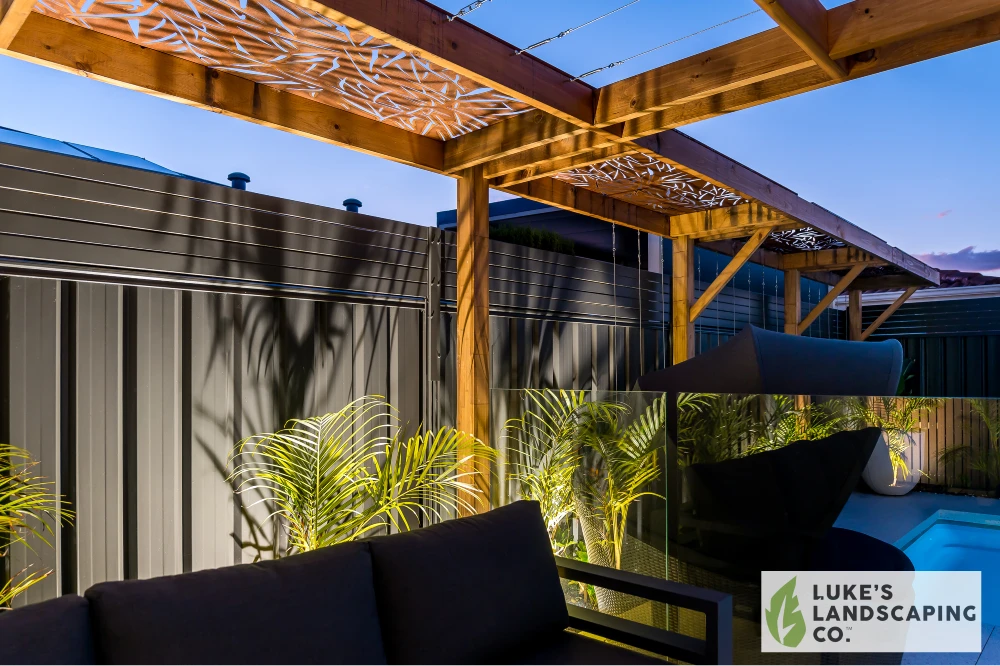
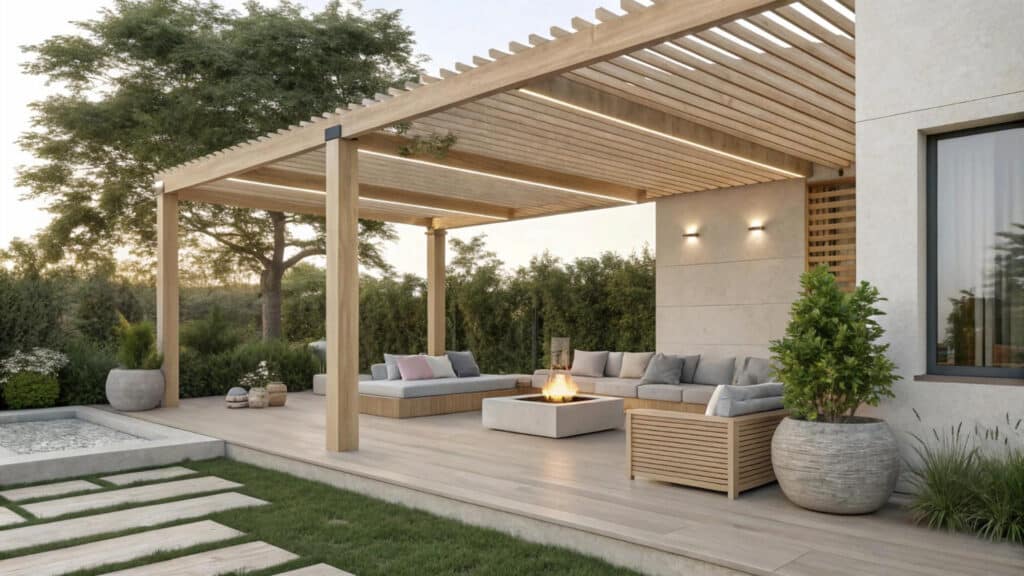
A pergola sits in a completely different camp. Rather than a floor surface, it’s an overhead structure; a framework of vertical posts supporting horizontal beams and open rafters. The traditional pergola doesn’t have a solid roof at all. Instead, the slatted design filters sunlight, casting dappled shade across the space below while letting air move freely through the structure.
That open design is the whole point. A pergola isn’t trying to seal out the elements; it’s designed to interact with them, letting breezes flow through and framing a view of the sky without the visual bulk of a solid roofline.
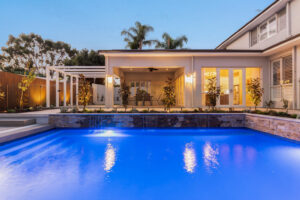
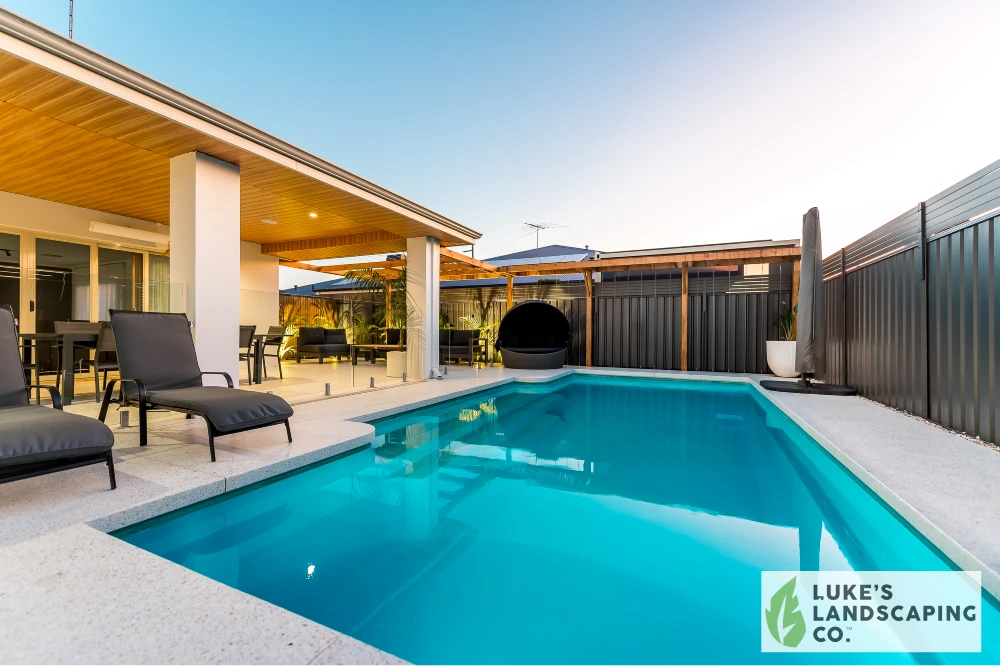
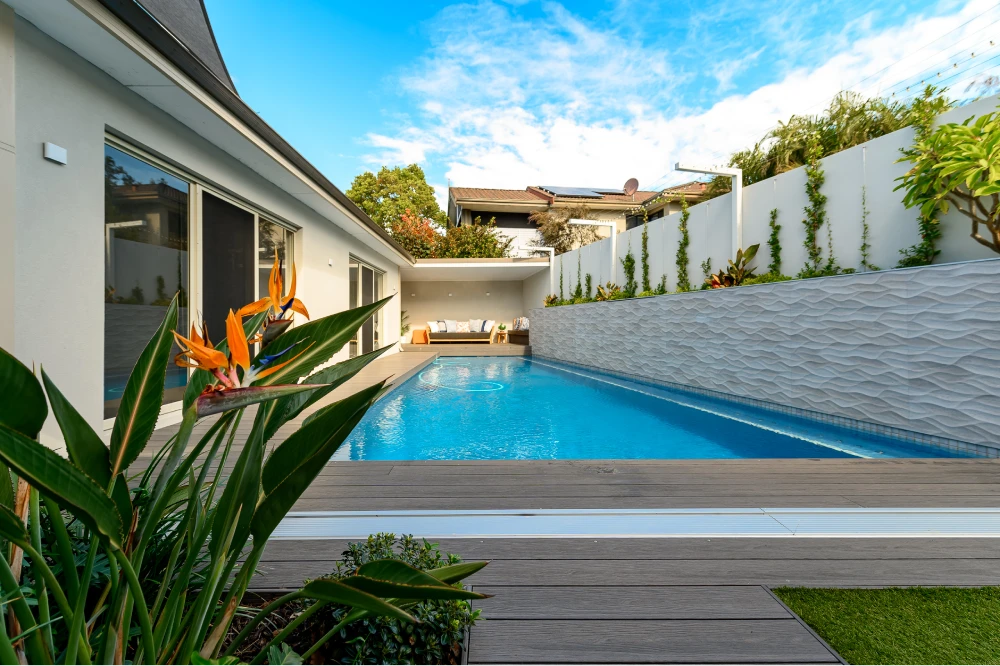
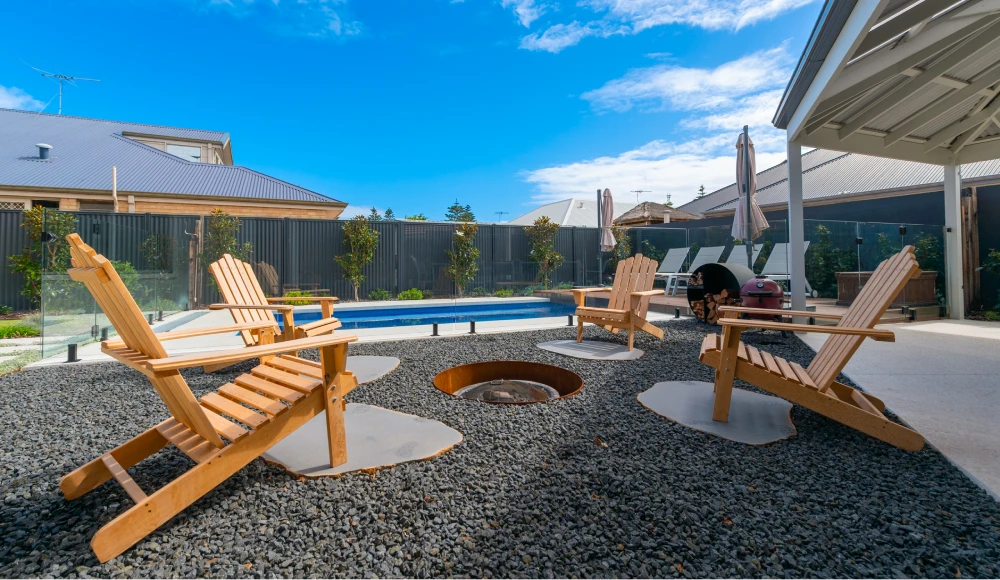
Pergolas work brilliantly as garden features, defining a zone around a fire pit or pool area, creating a frame for climbing plants, or adding vertical structure to a flat backyard. Where they fall short is rain protection and full sun blockout. A traditional open-beam pergola won’t keep you dry during a winter downpour, and the partial shade can still let through enough UV to make midday summer use uncomfortable without supplementary shade cloth or climbing vegetation. But as an architectural centrepiece that adds height, shade and character to a space? Nothing else quite compares.
The key differences (and why they matter in Perth)
Coverage and weather protection
This is the big one. A patio paired with a solid roof gives you complete, year-round weather protection; rain, sun, even hail. A pergola gives you filtered shade and great airflow, but won’t keep the rain off your outdoor cushions or stop the 3 pm summer sun from reaching your shoulders.
For Perth homeowners who love entertaining, this distinction matters more than you’d think. The Fremantle Doctor, that south-westerly sea breeze that rolls in on summer afternoons, is a blessing for cooling down, but it also brings sudden gusts that can send lightweight furniture sliding across an uncovered pergola. A roofed patio with track-guided outdoor blinds handles the Doctor far more gracefully.
Heat and airflow
Here’s where pergolas fight back. A solid patio roof, especially an older, non-insulated single-skin metal one, can trap radiant heat underneath, turning your alfresco into a furnace by mid-afternoon. The sun heats the metal, the metal radiates that heat downward, and if the space is boxed in by the house on one side and a fence on the other, that hot air has nowhere to go.
A pergola doesn’t have this problem. Hot air rises straight through the open rafters, which is why they feel lighter and more breathable; well-suited to pool areas, garden lounges, and anywhere you want to feel connected to the outdoors rather than sheltered from them.
For the best of both worlds under a solid roof, insulated roofing panels (composite sandwich panels with a thermal foam core) block radiant heat transfer while still keeping the rain out.
Aesthetics and garden integration
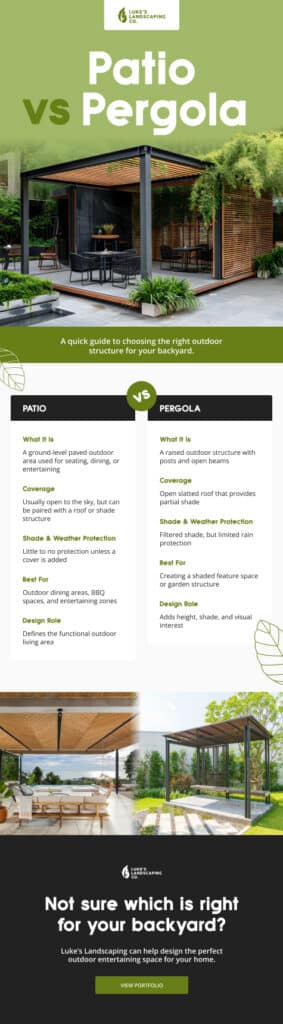
A pergola wins hands-down here. The open framework is practically built for climbing plants – wisteria, star jasmine, bougainvillea, even grapevines. In Perth’s dry summers, those climbers do more than look good: they cool the air underneath through evapotranspiration. Research from the University of Western Australia found that vegetated structures in Perth produced surface temperatures several degrees cooler than shade sails alone; greenery does real, measurable work beyond just looking pretty.
Patios tend toward a cleaner, more architectural look. Paired with outdoor lighting, ceiling fans and integrated speakers, they create that resort-style indoor-outdoor flow that’s become the gold standard for Perth entertaining areas.
Cost
As a rough guide, a basic open timber pergola will generally cost less upfront than a fully roofed, insulated patio of the same footprint. The gap narrows once you start specifying premium materials like powder-coated aluminium frames or motorised louvre systems, which can push a high-end pergola into similar territory as a mid-range insulated patio.
The real cost question isn’t which structure is cheaper – it’s which delivers the most value for how you’ll actually use the space. A budget pergola that sits unused for five months because it’s too hot isn’t great value. Neither is an overbuilt patio roof over a space you only use for Sunday morning coffees. When you’re weighing up patio vs pergola costs, think about the outdoor space you want to live in, not just the structure itself.
Which one is better for entertaining?
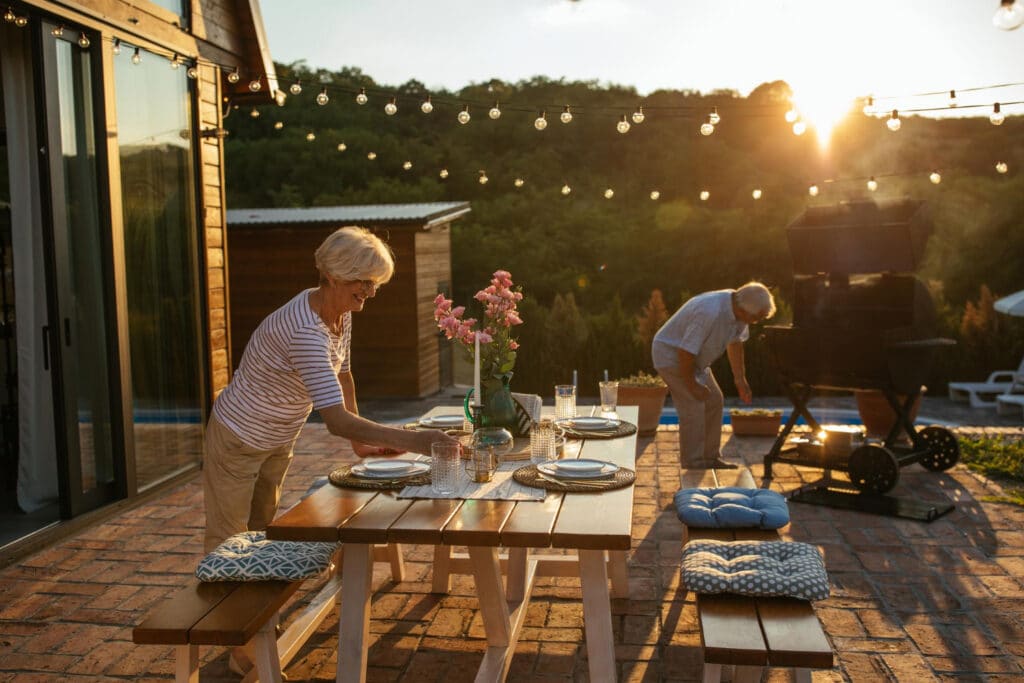
If you host regularly, Friday night dinners, kids’ parties, and long weekend barbecues, you need reliability. You need to know the space will be comfortable at 2 pm in February and 6 pm in July. That points toward a solid-roofed patio, particularly if you’re planning an outdoor kitchen with a built-in barbecue, fridge and prep bench.
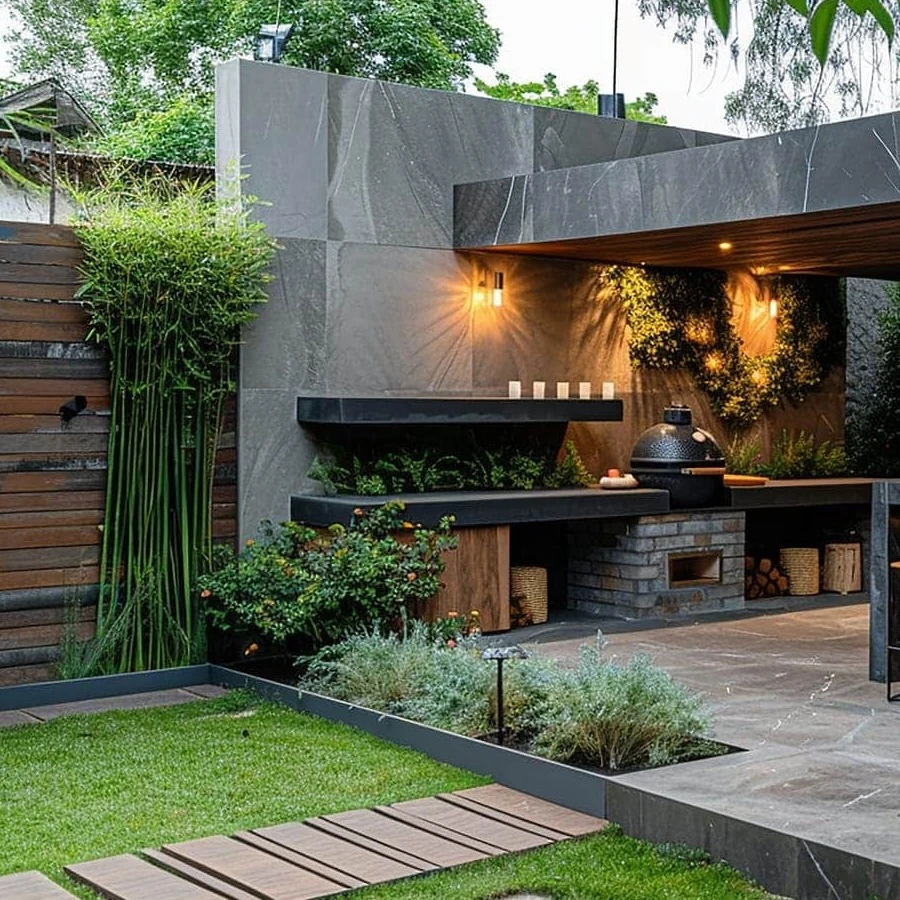
But there’s a catch with cooking under a solid low-pitch roof: smoke and heat from the grill rise into the ceiling and hang there. The smartest setups position the cooking area under an open pergola or ventilated gable section where smoke escapes upward, while the dining and lounging zones sit beneath an insulated roof.
That hybrid approach, a roofed patio for the living area, an open pergola extending outward for the cooking zone or poolside lounge, is increasingly where the best backyard designs are heading.
Perth-specific considerations
Living in Perth means dealing with conditions that don’t apply in Melbourne or Sydney. Whether you’re leaning patio vs pergola or considering both, your outdoor space has to earn its place in this climate, not just look good on an Instagram mood board.
Sun exposure and orientation
A north-facing outdoor area is ideal, it catches warming winter sun while the high summer sun arc is easy to shade with roof eaves or louvres. West-facing backyards are trickier: the late-afternoon sun hits low and hard, and a standard roof can’t block light at that angle. You’ll almost certainly need vertical shading, outdoor blinds, louvred screens or dense plantings, regardless of your overhead structure.
Sandy soils and footings
Perth sits on the Swan Coastal Plain, where the sandy, water-repellent soils familiar to anyone who’s tried to grow a lawn here also affect how structures are built. Footings need to be engineered for the specific conditions on your block; what works in clay soils down south won’t hold up in Scarborough sand.
Building permits
In WA, any patio or pergola attached to your house will almost always require a building permit. Freestanding structures have some exemptions under the WA Building Regulations 2012 – a freestanding pergola under 20 square metres and 2.4 metres high, or a freestanding patio under 10 square metres and 2.4 metres high, may not need one, but the rules vary by council. Getting it wrong can mean fines, demolition orders or headaches when you sell. There’s a detailed guide to council approvals worth reading before you start.
So, which should you choose?
There’s no universal answer to the patio vs pergola debate. But here’s a practical framework:
A patio makes more sense if you want a reliable, all-weather entertaining area that functions as a true extension of your indoor living space, outdoor kitchens, large dining setups, and year-round use without checking the forecast.
A pergola makes more sense if you’re after a lighter-touch feature that adds shade, structure and character to a garden, pool area or secondary zone without the visual weight of a solid roof.
Both together are where most premium Perth backyards end up. A solid-roofed patio attached to the house for the main entertaining hub, with a pergola extending into the garden to define a second zone, a fire pit area, a poolside lounge, and a reading nook surrounded by jasmine. Weather protection and open-air feel. That’s the sweet spot.
Ready to figure out what works for your backyard?
Luke’s Landscaping has been designing and building outdoor living spaces across Perth since 2008, from compact courtyard patios in Fremantle to sprawling entertainer’s backyards in the hills. With 200+ five-star Google reviews, the team handles the full process: landscape design, council approvals, construction and handover.
If you’re weighing up a patio, a pergola or a combination of both, the team can work through your options in a free design consultation, no obligations, just a proper conversation about what’ll actually work for your block.
Frequently asked questions
In most cases, yes, particularly if the structure is attached to your house. Freestanding pergolas under 20 square metres and 2.4 metres high may be exempt in some council areas, as may freestanding patios under 10 square metres and 2.4 metres high. But exemptions vary by local government, and you may still need separate planning approval depending on boundary setbacks and site coverage.
Powder-coated aluminium is the standout for structural framing; it won’t rust, handles salt air well and needs minimal upkeep. Timber (particularly Western Red Cedar) offers a warmer look but demands regular oiling to hold up against Perth’s UV. For patio roofing, insulated panels are the go-to because they block heat transfer while providing full weather protection. Paving and natural stone remain popular for the floor surface.
Quality outdoor entertaining areas are consistently identified by WA real estate professionals (REIWA) as a highly desirable, near-necessary feature for Perth buyers. A well-designed, council-approved structure built with durable materials will generally support and likely improve your property’s value.