What winter landscaping projects are worth doing in Perth?
- Perth’s mild, wet winters are ideal for planting, turf establishment and outdoor construction: cooler temps, natural rainfall and enough lead time to be ready for summer.
- Fresh lawns, modern paving, structured garden beds and native plantings are among the highest-return landscaping upgrades you can make.
- Functional outdoor zones like paved entertaining areas, defined pathways and fire pit spaces extend usable living area and lift buyer appeal.
- Drought-tolerant, low-maintenance gardens suit Perth’s sandy soils, water restrictions and the reality that nobody wants to spend every weekend weeding.
- Front yard improvements like clean edging, updated paths and cohesive planting layouts directly impact curb appeal and first impressions.
- Working with a professional landscaper ensures projects are designed for Perth conditions and built to last, not just built to look good on day one.
Most Perth homeowners don’t think about their garden between June and August. The barbecue cover goes on, the outdoor furniture gets pushed against the wall, and the backyard quietly drops off the to-do list until the weather warms up.
That’s a missed opportunity. Winter is actually the best time to tackle landscaping projects in Perth. Cooler working conditions, natural rainfall doing the heavy lifting on new plantings, and enough lead time to have everything settled and thriving before the first summer barbecue. If you’re renovating to sell, or simply want your home to work harder for you, the projects you start now will pay off most come spring.
The numbers back it up. The Plant Value Report, a 2025 study by Greener Spaces Better Places in partnership with Domain, found that homes marketed with quality greenery sold for 17.4% more than those without and attracted 7% more buyer interest online. On Perth’s median house price, that kind of uplift is worth paying attention to.
So what winter landscaping projects actually move the needle?
Why Perth winters are made for landscaping
Perth doesn’t really do harsh winters. Average daytime temperatures between June and August sit around 18–19°C, and overnight lows rarely dip below 8°C. Mild enough that warm-season grasses and native plants can put down roots without the stress of 38-degree days trying to kill them off.
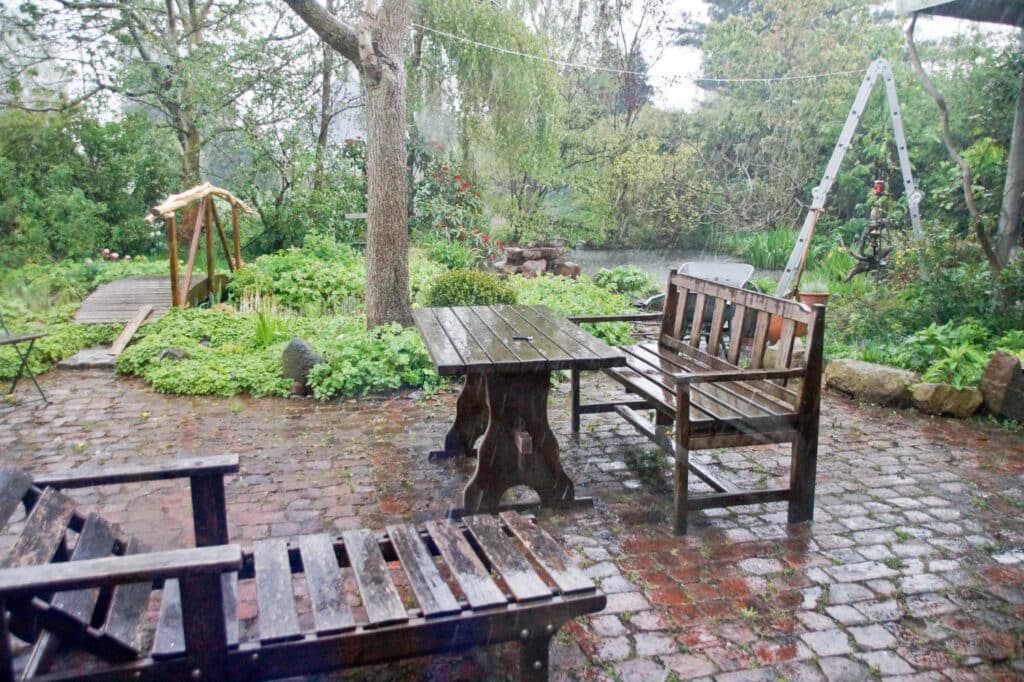
This is also when the rain finally shows up. Perth’s Mediterranean climate means roughly 80% of annual rainfall falls between late autumn and mid-spring, naturally watering in new plantings and recharging sandy soils through the superficial aquifer below. Free irrigation, at a time when the winter sprinkler switch-off bans all reticulation from 1 June to 31 August across Perth and Mandurah.
There’s a practical side too. Tradies aren’t battling 40-degree heat; concrete and mortar cure better in cooler conditions, and you avoid the summer rush that pushes timelines out by weeks. Get your winter landscaping projects underway now, and you’ll have a finished outdoor space ready to enjoy well before the warm season kicks in.
The upgrades that actually add value
Not every landscaping idea delivers the same return. If you’re spending money to add value, whether for resale or long-term enjoyment, here’s where to focus.
A fresh lawn changes everything
A thick, healthy lawn is one of the first things buyers notice. Winter gives new turf the best shot at success in Perth because cooler temperatures reduce transplant shock while natural rainfall keeps the root zone moist during that first critical fortnight.
The Water Corporation recommends late autumn through early spring as the best window for laying new turf in WA. Buffalo varieties (like Sir Walter) remain the most popular choice: drought-tolerant once established, they handle shade reasonably well and hold their colour better through winter than couch or kikuyu.
One thing worth knowing: Perth’s sandy soils are notoriously poor at holding moisture. Before any turf goes down, the ground needs proper preparation with a quality soil mix, organic matter and a wetting agent to stop water running straight through. Skip this step, and you’ll be fighting a losing battle by January.
Paving and entertaining areas
Paved outdoor areas consistently rank among the highest-value landscaping upgrades in Australia because they turn dead space into functional living space. A well-designed paved entertaining zone extends your home’s usable square footage in a way buyers immediately understand. It’s another room, just without a roof.
Winter is ideal for this kind of structural work. No risk of afternoon storms disrupting freshly laid pavers, cooler conditions for the physical labour, and the finished surface has months to settle before heavy foot traffic over summer.
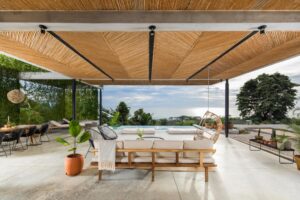
If the budget allows, combining paving with a pergola or patio cover creates a genuine indoor-outdoor flow. Something Perth buyers now expect in a city that averages 3,200 hours of sunshine every year. Shade isn’t a luxury here. It’s a necessity.
Structured planting that does the heavy lifting
A thoughtful planting layout does more than look good on inspection day. It creates depth, privacy, colour and seasonal interest across the whole year, and it tells buyers the garden has been designed, not just left to its own devices.
Winter is prime time for planting Perth natives. Grevillea, Banksia and Hakea laurina (the pincushion hakea, native to WA’s south-west) all flower through winter and early spring, establishing deep root systems during the wet months before summer hits. The Botanic Gardens and Parks Authority recommends autumn and winter planting for these species, and once established, most need little to no extra watering.
Replacing a tired, patchy garden bed with a structured landscape design that layers groundcovers, mid-height shrubs and feature trees can completely change how a property feels from the street.
Gardens that don’t need babysitting
Perth homeowners deal with a unique set of challenges: sandy soils that repel water, a two-day-per-week sprinkler roster, extreme summer UV, and the kind of lifestyle where weekend gardening ranks well below the beach.
That’s why drought-tolerant, native planting has shifted from niche environmental choice to something buyers actively look for. WA natives are already adapted to sandy, low-nutrient soils and minimal summer rain. They don’t fight Perth’s conditions; they thrive in them. Pair native plantings with a properly zoned irrigation system and a generous 75–100mm layer of quality mulch, and you’ve got a garden that looks full year-round without demanding every second weekend of your time.
Smart irrigation controllers that adjust schedules based on weather data help squeeze the most from those two rostered watering days, while drip systems deliver water directly to root zones instead of losing it to evaporation. Low-maintenance gardens like these are one of the reasons winter landscaping projects deliver such strong long-term returns: the cooler months give everything time to settle before Perth’s summer puts it to the test.
Make the front yard earn its keep
First impressions happen fast. For most homes, the front yard is the first impression. What buyers see in listing photos, what they click pulling up for an inspection, and what the neighbours walk past every day.
Perth has one of the lowest urban tree canopy covers of any Australian capital, with just 12% canopy on private residential land. Homes that do invest in a well-planted front garden with established trees, clean edging and a cohesive design stand out even more.
A few targeted front yard improvements make a real difference: fresh turf to replace bare or patchy lawn, defined garden bed borders with metal or stone edging, an updated pathway in modern paving, and layered planting that adds structure without blocking sightlines. Of all the winter landscaping projects on this list, front yard upgrades arguably offer the best bang for buck because every visitor and every buyer sees them first.
Get it right the first time
Here’s the thing about winter landscaping ideas that sound great on paper: they still need to be designed and built properly to deliver real value. A paving job with poor drainage will pond in the first heavy rain. Turf laid over unprepared sand will brown off by December. A garden bed without a plan becomes an overgrown mess within two seasons.
That’s where working with a professional landscaper makes the difference. Luke’s Landscaping has been designing and building outdoor spaces across Perth since 2008, with 200+ five-star Google reviews from homeowners who wanted it done right. From landscape design through to construction and handover, their team handles every detail, including the Perth-specific knowledge around sandy soil preparation, council requirements and water-efficient design that makes or breaks a project long-term.
If you’ve been thinking about winter landscaping projects that will genuinely lift your property’s value and liveability, get in touch with the Luke’s Landscaping team for a quote. Winter won’t wait, and neither should your backyard.
Frequently asked questions
It’s one of the best. Mild daytime temperatures (18–19°C average), concentrated rainfall, and cooler working conditions create the right environment for planting, turf establishment and structural work like paving and retaining walls. Projects finished in winter are settled and looking their best well before the summer entertaining season.
Fresh lawns, paved entertaining areas, structured planting layouts, and well-maintained front gardens consistently deliver the strongest return. The 2025 Plant Value Report found homes marketed with quality greenery sold for 17.4% more on average. In Perth, outdoor living features like patios and pergolas are especially valued thanks to the city’s outdoor lifestyle.
WA natives like Grevillea, Banksia, Hakea laurina, and Hardenbergia comptoniana (native wisteria) are all excellent winter choices. They flower through the cooler months and use Perth’s natural rainfall to build strong root systems before summer arrives. For a longer list, see our guide to the best plants for Perth landscapes.
The winter sprinkler switch-off runs from 1 June to 31 August across Perth and Mandurah, but hand watering is still allowed. New lawns can also apply for a temporary watering exemption through the Water Corporation. Natural winter rainfall typically provides enough moisture for turf to establish during this window, which is exactly why winter is recommended for lawn installation in WA.
General garden work, planting and turf don’t need approval. Structural additions like attached patios, pergolas and retaining walls above a certain height may need a building permit under WA’s Residential Design Codes, and requirements vary between councils. It’s worth checking before you start, or working with a landscaper who handles the permit process. Our council approval guide covers the details.
Scheduling tends to be more flexible during the cooler months, since summer is peak season for most Perth landscapers. You’re more likely to lock in your preferred start date and avoid the longer wait times that come with the September-to-March rush. Material costs don’t typically change with the season, but getting tradespeople on-site sooner can help keep your overall project timeline and budget on track.